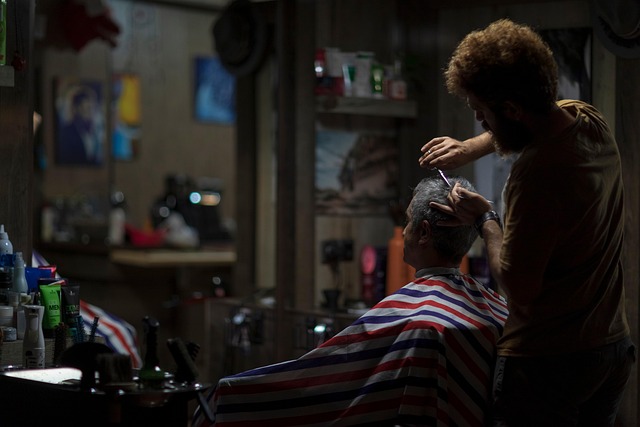
Image by mostafa meraji from Pixabay
By Jo Nova
It’s not just a cult, it’s a cult with our money.
When the government is funding research to fine tune ways to turn hairdressers into propaganda agents, we know they have far too much of our cash.
Imagine the screams if Big Oil were funding research like this?
Hairdressers could be a secret weapon in tackling climate change, new research finds
edited by Sadie Harley, reviewed by Andrew Zinin Phys Org
The study, published in Humanities & Social Sciences Communications, reveals that hair salons are hubs of trust, community and conversation where climate action can take root and spread.
Exactly how long will hairdressers be “hubs of trust” for — if they start regurgitating woke propaganda, and lecturing clients?
The research shows that hairdressers can be influential in everyday conversations with clients about climate and sustainability and are successfully prompting people to rethink their sustainability habits—ranging from their use of water and energy to their choice of bank or diet.
This is just another form of hidden advertising
It’s just low grade pollution in science, and deceit with the budget. The government does market research but calls it “science” and publishes in a peer reviewed paper, however the sole point of the knowledge is not to discover something to benefit humanity and share it, but to trick a few more people into buying solar panels or voting for governments that flagrantly waste their money.
Hands up who wants the government inserting itself in “long term relationships”?
Dr. Sam Hampton from CAST said, “Hairdressers build trust over months and years. That kind of relationship is gold when it comes to discussing climate change. We found salons to be unique spaces where clients feel safe, relaxed, and open to new ideas.”
But not open to all ideas, only the government permitted ones.
REFERENCE (Seriously?)
Briony Latter et al, Public engagement and climate change: exploring the role of hairdressers as everyday influencers, Humanities and Social Sciences Communications (2026). DOI: 10.1057/s41599-026-06781-4